Effects of Pheasant Hunting
Curious about the effects of pheasant hunting? We break down the science behind rooster-only seasons, harvest rates and hunting pressure. Learn how season bag limits and ethical practices keep pheasant populations thriving.
Loss of upland habitat is a real concern
Questions continually arise from both hunters and non-hunters alike about the effects of regulated sport hunting on ring-necked pheasants.
Should bag limits & seasons be adjusted?
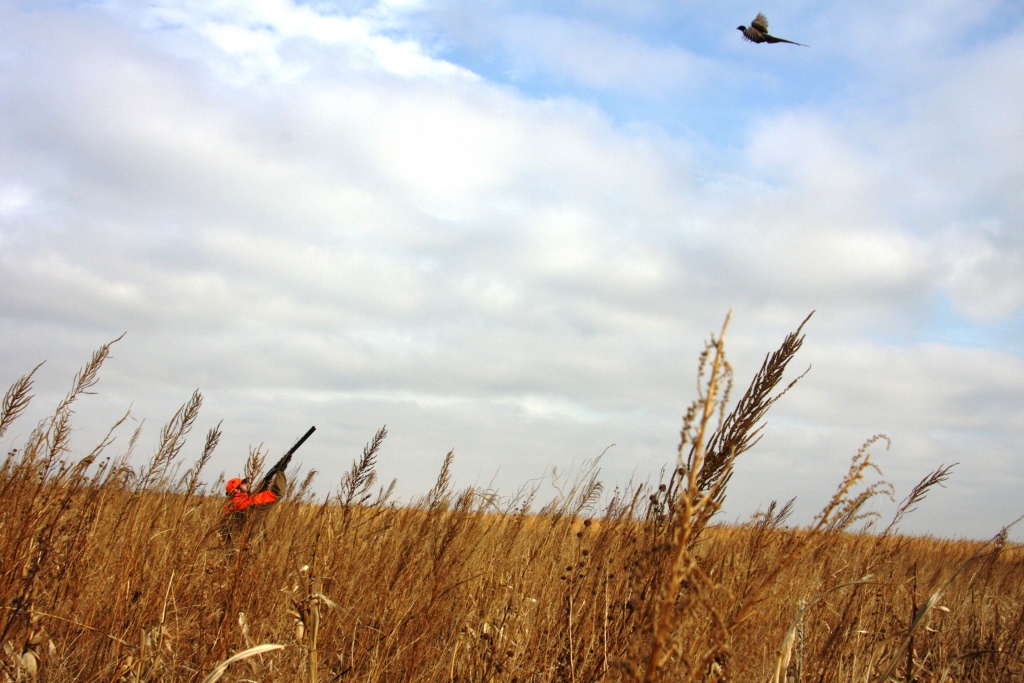
Ring-necked pheasants are promiscuous birds, and one rooster can mate with a dozen hens. Hunting focuses on males, removing “surplus” roosters while leaving hens protected. Because hunters can easily distinguish males from females in the field, adjusting season length or bag limits of roosters has almost no effect on future populations. Unlike other upland species, wild pheasant seasons are rooster-only to ensure sustainable management.
How is pheasant harvest measured?
Biologists estimate harvest using surveys of 2-5 percent of hunters and extrapolating results to gauge total take. The ratio of hens to roosters after the season indicates harvest efficiency. Low ratios show few makes were taken, while high ratios indicate more intensive rooster harvest. Even with natural variations, these methods allow wildlife managers to track populations and maintain sustainable hunting opportunities.
When is hunting success, harvest and pressure greatest?
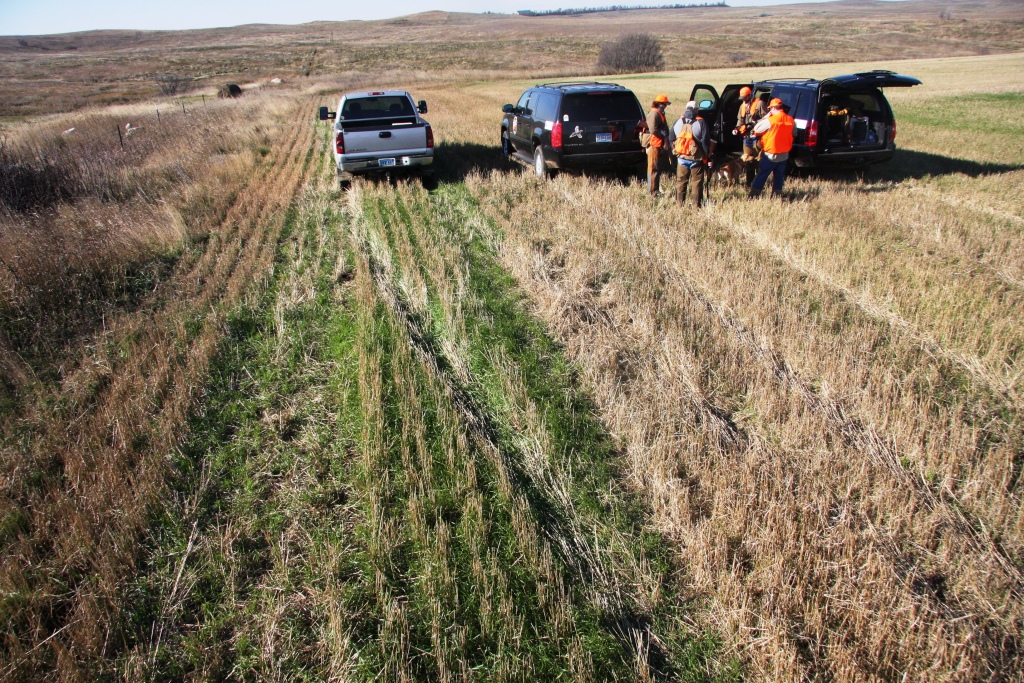
Hunting pressure and success are usually highest at the start of the season. In many states, nearly half the season’s harvest occurs during opening weekends, with most trips happening in the first few weeks. Factors such as season length, cover availability and crop harvest timing influence how concentrated birds are and how easily they can be hunted.
How great of a problem are crippled birds?
Each year, a segment of the pheasant population is crippled by birdshot and not retrieved by hunters. By using hunter interviews and check station data, biologists estimate an additional mortality of 10-35 percent occurs due to crippling. This additional loss of surplus males is inconsequential to future pheasant production.
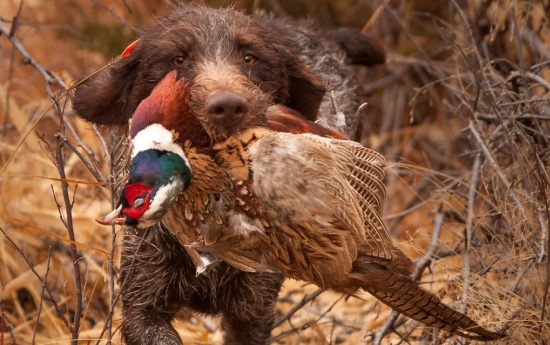
How does hunting affect roosters in a pheasant population?
Rooster survival is naturally low, and hunters could remove more than 90 percent of males without harming reproduction, though normal harvest is 45-65 percent. Including cripple losses, 55-75 percent of roosters are often removed, particularly in states with heavy hunting pressure. Even so, populations remain strong because hens are protected.
What are the effects of hunting hens?
Hunting hens is rare and limited because it could affect reproduction if too many are taken. Historical data is mixed, so seasons continue to protect females to ensure sustainable populations.
What is the effect of restricting bags?
Most states already have modest bag limits of 2-4 roosters per hunter, and most hunting occurs in the first two weeks. Reducing limits has little impact on populations, serving mainly to distribute the harvest more evenly among hunters.
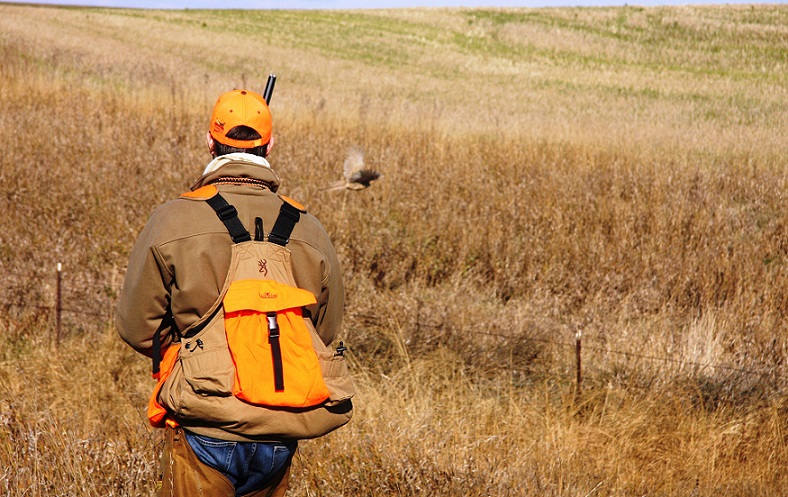
Does changing closing dates affect the population?
Later season closures have minimal impact on pheasant populations, as fewer hunters participate in late season hunting and only scattered birds are affected. Concerns about birds being displaced from cover are mostly limited to specific situations.
What’s the bottom line?
Liberal, legal rooster-only seasons do not harm populations. If seasons work as designed, the outcome is a reduced standing population of male ring-necked pheasants. Extensive research has shown this has little to no effect on pheasant reproduction and subsequent populations.
Your cart is empty