Where to Hunt
Public access available to pheasant hunters
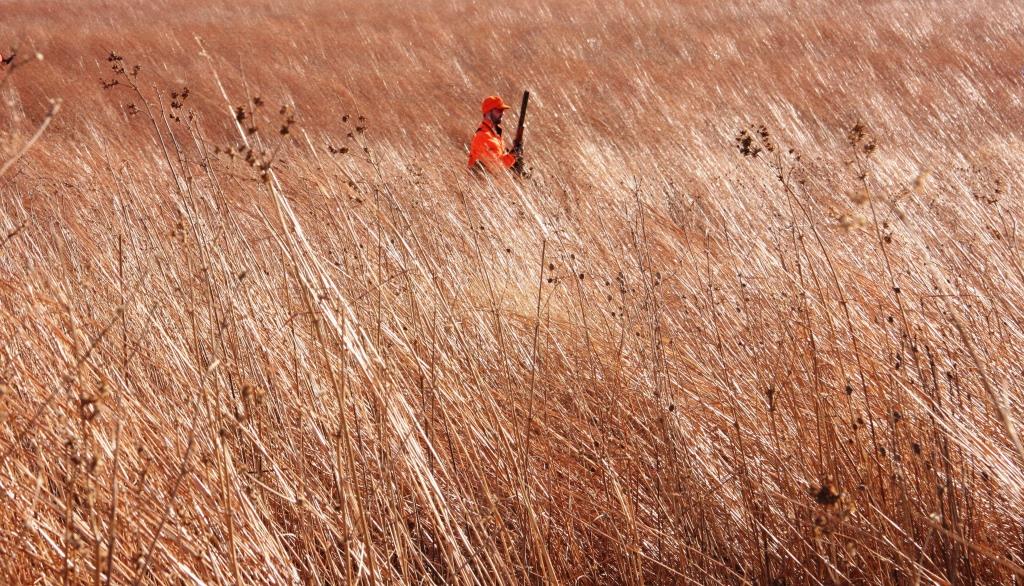
Great places to hunt pheasants, quail and other wild game exist all across the country, and with a little effort, both in research and exploration, you'll be rewarded for your efforts. Every state has lands open to public hunting, and when combined with federal lands (such as Waterfowl Production Areas), public opportunities abound.
What type of public hunting areas exist?
Waterfowl Productions Areas (WPAs)
Waterfowl Productions Areas are federally owned land managed by the U.S. Fish and Wildlife Service. They are open to public hunting unless otherwise posted and require the use of steel shot. These lands were purchased using Federal Duck Stamp funds with support from conservation partners such as Pheasants Forever and the Build a Wildlife Area Program.
State-Owned Public Hunting Areas
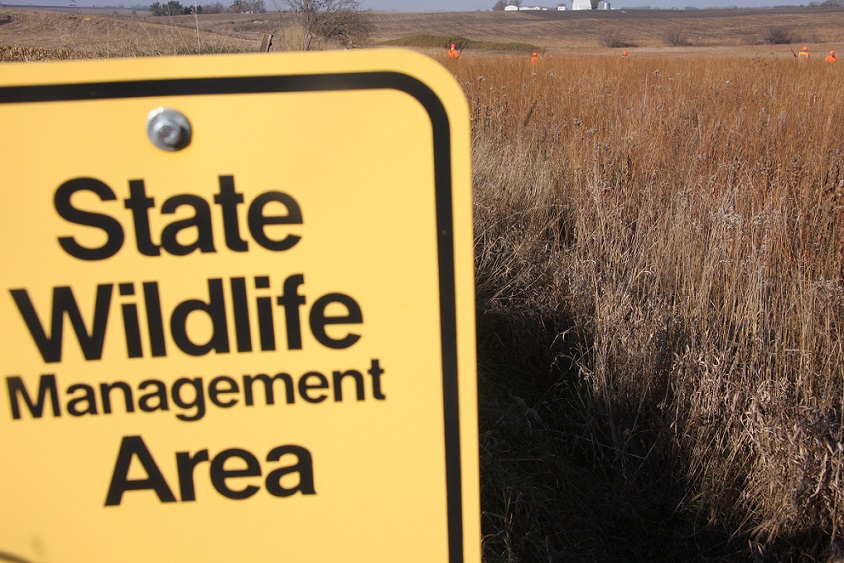
State-owned public hunting lands go by different names depending on the state, including Wildlife Management Areas (WMAs) and Game Production Areas (GPAs), etc. These areas are purchased and managed by state natural resource agencies, conservation groups like Pheasants Forever, the Build a Wildlife Area Program, etc., and are open to public hunting under state regulations. Hunters should always check the state’s rules before hunting.
Walk-In Hunting Areas
Walk-in hunting areas provide public access on private land through voluntary agreements with landowners. State agencies compensate landowners for allowing public hunting access. Program names and availability vary by state, so hunters should consult local regulations.
Areas with Pheasants Forever Habitat Signs
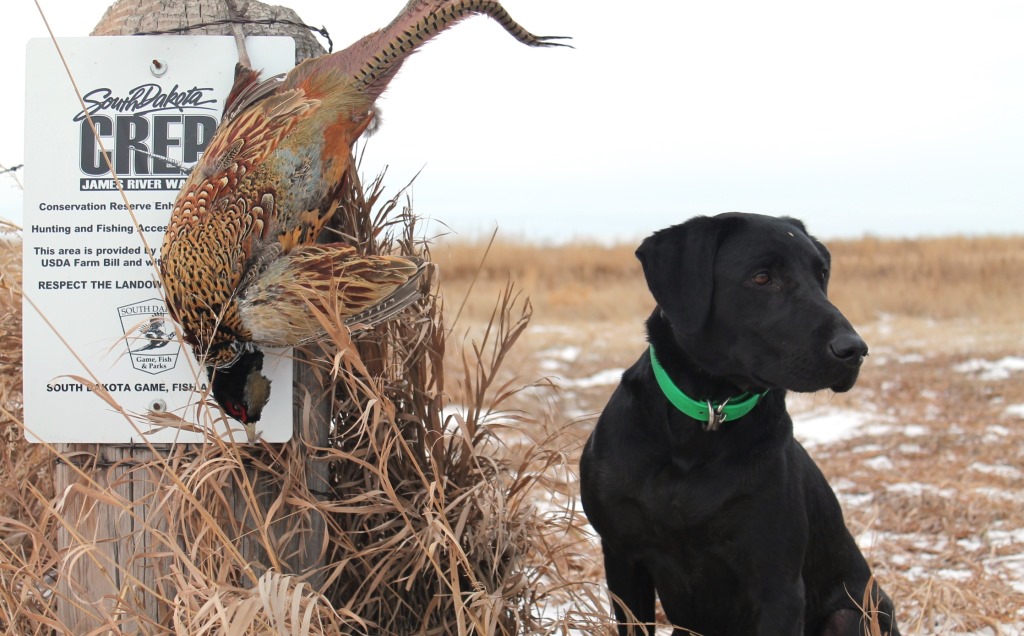
Pheasants Forever habitat signs mark locations where habitat projects have been completed with support from members and local chapters. These signs appear on both public and private land. If the area is also designated as a public hunting area, such as a WMA, GPA, etc., it is open to hunting. If no public designation is present, landowners’ permission is required. Because most pheasant habitat exists on private land, private land conservation is essential to the health and sustainability of our pheasant population.
Public Land Resources
While over 60 percent of land in the United States is privately owned, public hunting opportunities are widely available. Many hunters find success by combining public areas with private land opportunities and by using state maps and access programs to plan their hunts. Find state-by-state natural resource agency contacts HERE to help plan your next adventure afield.
Your cart is empty